Tank vs Tankless Water Heaters: Which Is Right for Your Grand Rapids Home?
An honest comparison from a local installer — no sales pitch, just the information you need to make a confident decision.
When your water heater needs replacing, the tank vs. tankless question comes up fast. It's one of the most common things Jordan gets asked — and the honest answer is that there's no universal right answer. The best system depends on your home, your household size, your budget, and how long you plan to stay.
What follows is a straightforward comparison built specifically for Grand Rapids and West Michigan homes — including the local factors like hard water and cold winters that affect how each system performs here.
Side-by-Side Comparison
| Tank Water Heater | Tankless Water Heater | |
|---|---|---|
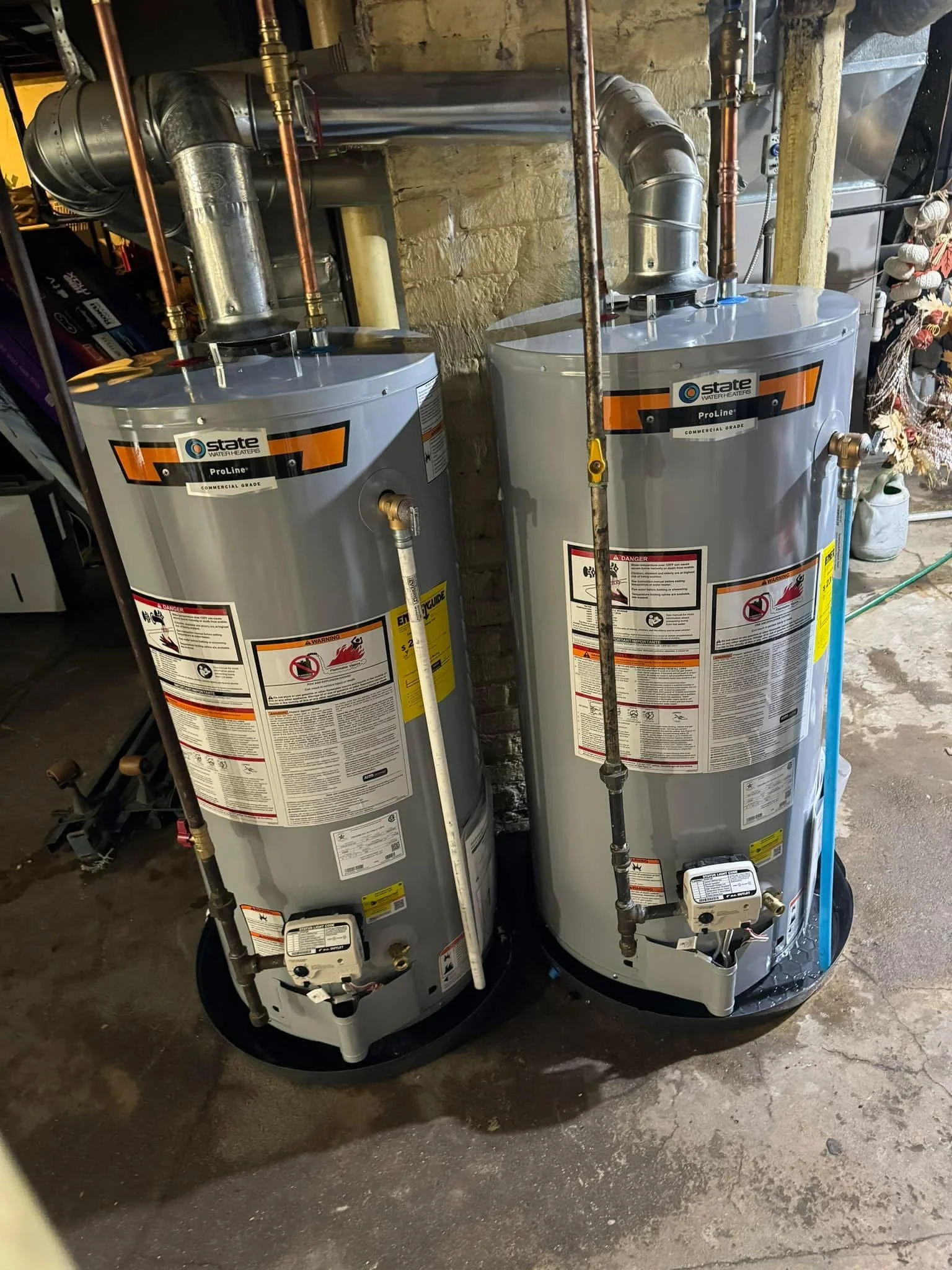
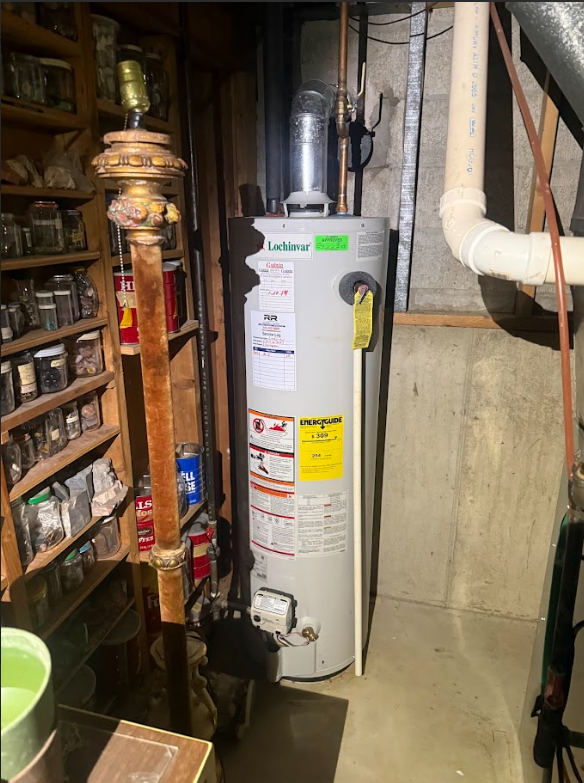
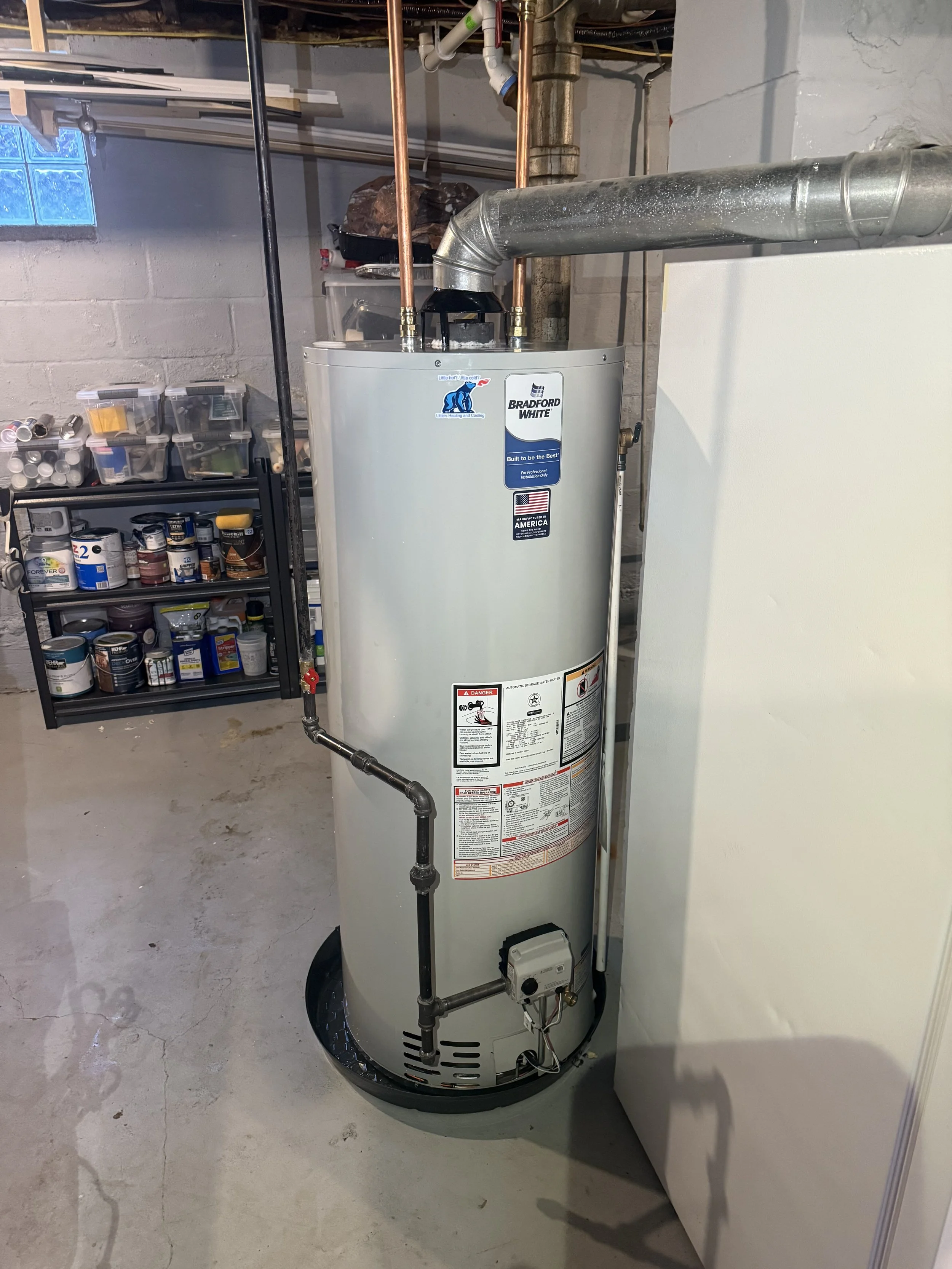
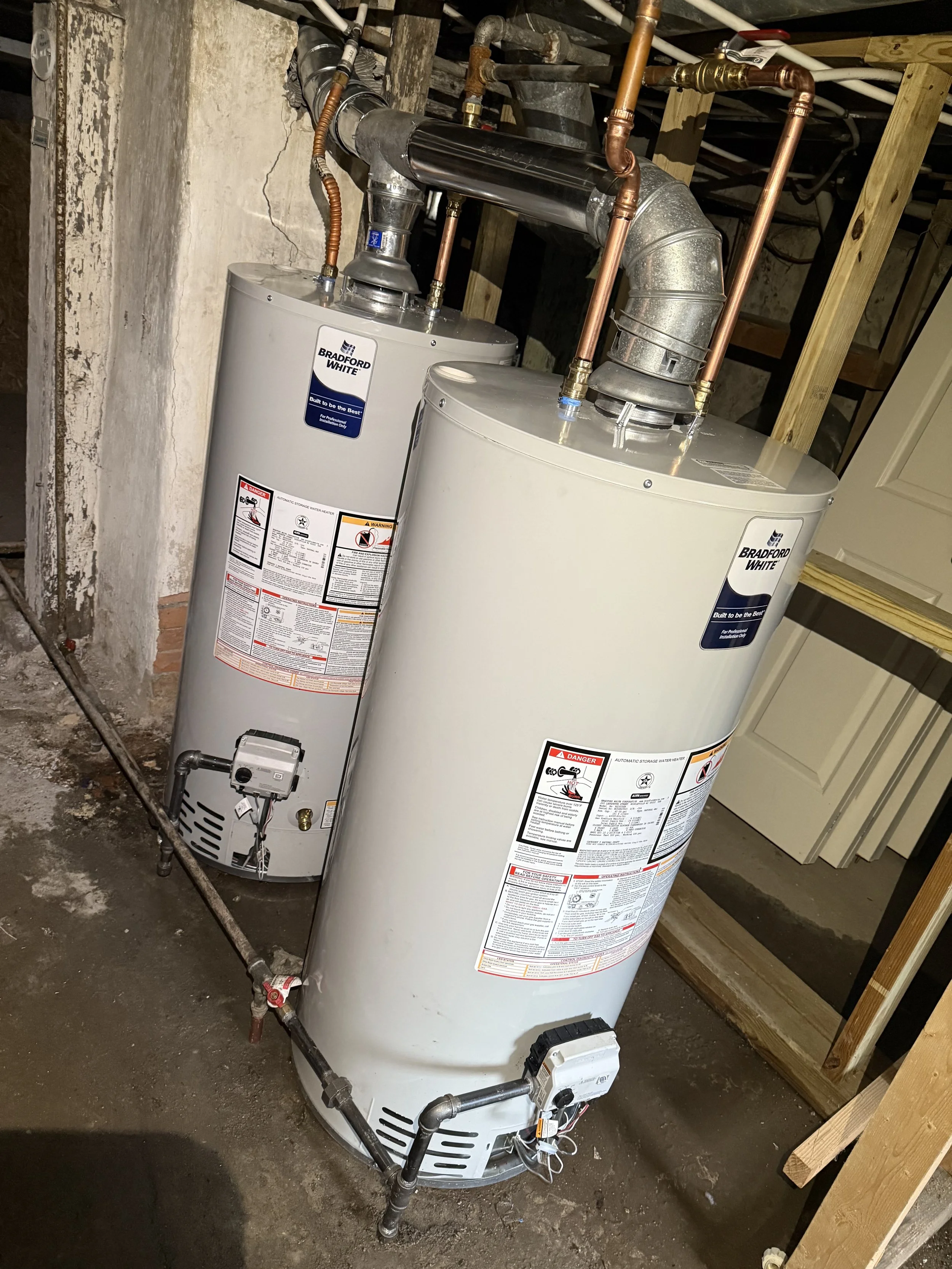
| How it works | Stores and continuously heats a reservoir of water (30–80 gallons) | Heats water on demand as it flows through — no storage tank needed |
| Upfront cost | Lower — unit and installation typically less expensive | Higher — unit costs more; installation may require additional work |
| Hot water supply | Limited by tank size — can run out during heavy use | Unlimited — heats water continuously on demand |
| Energy efficiency | Good — modern units are significantly improved over older models | Better — only uses energy when hot water is actually needed |
| Lifespan | 8–12 years with proper maintenance | 15–20+ years with proper maintenance |
| Space | Larger — requires floor space for the tank | Compact — wall-mounted, frees up floor space |
| Installation | Faster — typically a straightforward like-for-like replacement | Longer — may require gas line upgrades, electrical work, or new venting |
| Annual maintenance | Tank flushing, anode rod inspection, valve testing | Descaling, filter cleaning, ignition and flow sensor inspection |
What This Means for Grand Rapids Homeowners Specifically
Hard water is a real factor here
West Michigan has moderately hard water. For tank systems, this means sediment builds up faster at the bottom of the tank — making annual flushing more important than in softer water areas. For tankless systems, hard water causes scale to accumulate inside the heat exchanger, which reduces efficiency and can eventually cause damage. Annual descaling handles it. Either system performs well in Grand Rapids with proper maintenance — hard water just makes that maintenance more important, not a reason to choose one system over the other.
Cold winters affect tankless sizing
Michigan winters mean very cold incoming water temperatures — sometimes well below 40°F. Tankless systems have to raise that water temperature on demand, which requires more capacity than the same household would need in a warmer climate. A tankless unit that's undersized for a Grand Rapids winter will struggle to keep up during peak usage. Proper sizing for your specific household and local climate is critical, which is why we walk through it carefully before recommending a unit.
Long-term value vs. upfront cost
If you're planning to stay in your home for 10 or more years, a tankless system often makes strong financial sense. The energy savings over that time — combined with the longer lifespan — can offset the higher upfront cost. If you're selling in the next few years or working with a tight budget, a quality tank replacement is a smart, reliable choice that will serve you well.
When Tank Makes More Sense
Choose a tank water heater if:
- Upfront cost is the primary concern
- You want a fast, straightforward replacement
- Your existing gas line and venting are already set up for a tank system
- Your household hot water demand is moderate
- You're planning to sell in the next few years
- You want the simplest, most proven technology
Choose a tankless water heater if:
- You want endless hot water — no running out
- Long-term energy efficiency is a priority
- You're planning to stay in the home long-term
- Space is limited and wall-mounting is an advantage
- You're doing a larger renovation that allows for upgrades
- Your household has high or simultaneous hot water demand
The Bottom Line
Both systems are good options when properly selected and installed. The right choice comes down to your specific situation — your budget, your home's existing setup, your household size, and your plans for the property.
If your current water heater has failed or is nearing the end of its life, the Water Heater Replacement page covers the full process including what to expect, how fast we can get there, and what our Grand Rapids customers say about working with Little's.
If you'd rather just talk it through, call or text Jordan at (616) 644-9039. He'll give you a straight answer based on your home — not a sales pitch.
Frequently Asked Questions
Is a tankless water heater worth it in Grand Rapids?
For homeowners planning to stay long-term, often yes. Better efficiency, unlimited hot water, and a 15–20 year lifespan make the higher upfront cost worthwhile over time. For shorter-term situations or tighter budgets, a quality tank replacement is the smarter move.
What's the cost difference between tank and tankless?
Tank systems cost less upfront — both for the unit and installation. Tankless units have a higher purchase price and may require gas line upgrades or new venting, adding to installation cost. Over 15–20 years, total cost of ownership is often comparable or lower for tankless due to energy savings and longer lifespan.
Can a tankless water heater handle our household?
Yes, if properly sized. We size every tankless installation based on your household's peak hot water demand and account for Grand Rapids' cold incoming water temperatures in winter.
Does Grand Rapids hard water affect which system I should choose?
It affects maintenance requirements for both — more frequent flushing for tank systems, annual descaling for tankless. It's not a strong reason to choose one over the other. Either system handles Grand Rapids water well with proper annual maintenance.
Not Sure Which System Is Right for You?
Call or text Jordan — he'll ask a few questions about your home and give you a straight recommendation. No pressure, no upsell.
(616) 644-9039